If you picture waterfront life in Clearwater as a quiet stretch of sand and a private dock, the reality is a little more layered. You get stunning coastal access, visible boating culture, and a steady rhythm of beach activity, dining, and public events. That mix is exactly what draws many buyers in, but it also helps to know how daily life really works before you make a move. Let’s dive in.
Clearwater waterfront living at a glance
Clearwater waterfront living is best understood as a high-amenity coastal lifestyle with strong public access and an active social scene. On and around Clearwater Beach, you are not stepping into an isolated shoreline pocket. You are stepping into a walkable beach district with shops, restaurants, parking areas, and regular visitor activity.
The city presents Clearwater Beach as a highly walkable area with about 3 miles of beach, public entrances along the coast, year-round lifeguards, and daily beach cleaning and raking. That creates a polished, resort-style feel that appeals to both full-time residents and second-home buyers. It also means your day-to-day environment may feel lively, especially during peak seasons and event weekends.
Beach access shapes daily routines
One of the biggest advantages of Clearwater waterfront living is how easy it is to reach the sand. Public beach entrances run along Clearwater Beach from South Gulfview Boulevard near Opal Sands to Eldorado Avenue near Carlouel Yacht Club. For many buyers, that kind of public access is part of the appeal because the shoreline feels usable and connected to everyday life.
Accessibility is part of that experience too. The city notes three beach access mats and free beach wheelchairs available from Lifeguard Tower 0. If you are comparing waterfront areas in Pinellas County, that level of public access support is worth keeping in mind.
What the beach feels like day to day
Clearwater Beach is open 24/7, with lifeguards on duty daily from 10 a.m. to 5 p.m. The beach is also cleaned and raked every day. In practical terms, that means your morning walk, afternoon beach stop, or sunset visit often happens in a setting that feels maintained and well-used.
That said, beach life here is not completely carefree in the way some buyers imagine. The city prohibits alcohol, smoking, pets on public bathing beaches, fires, and tents or temporary shelters on the beach. If you are considering a condo or waterfront home nearby, it helps to understand that the public beachfront is carefully managed rather than open for all types of recreation.
Parking is part of the lifestyle
Parking matters more in Clearwater than many out-of-area buyers expect. The city manages nearly 4,000 on- and off-street public parking spaces downtown and on Clearwater Beach, and the Gulfview Boulevard lot alone has about 550 public spaces. That is helpful infrastructure, but it also tells you something important: this is a waterfront area designed to handle regular visitor demand.
If you are planning a move, think beyond the view. Ask how often you want to walk, bike, drive, or host guests, because access and parking patterns can shape your routine as much as the water itself.
Marina culture is part of everyday life
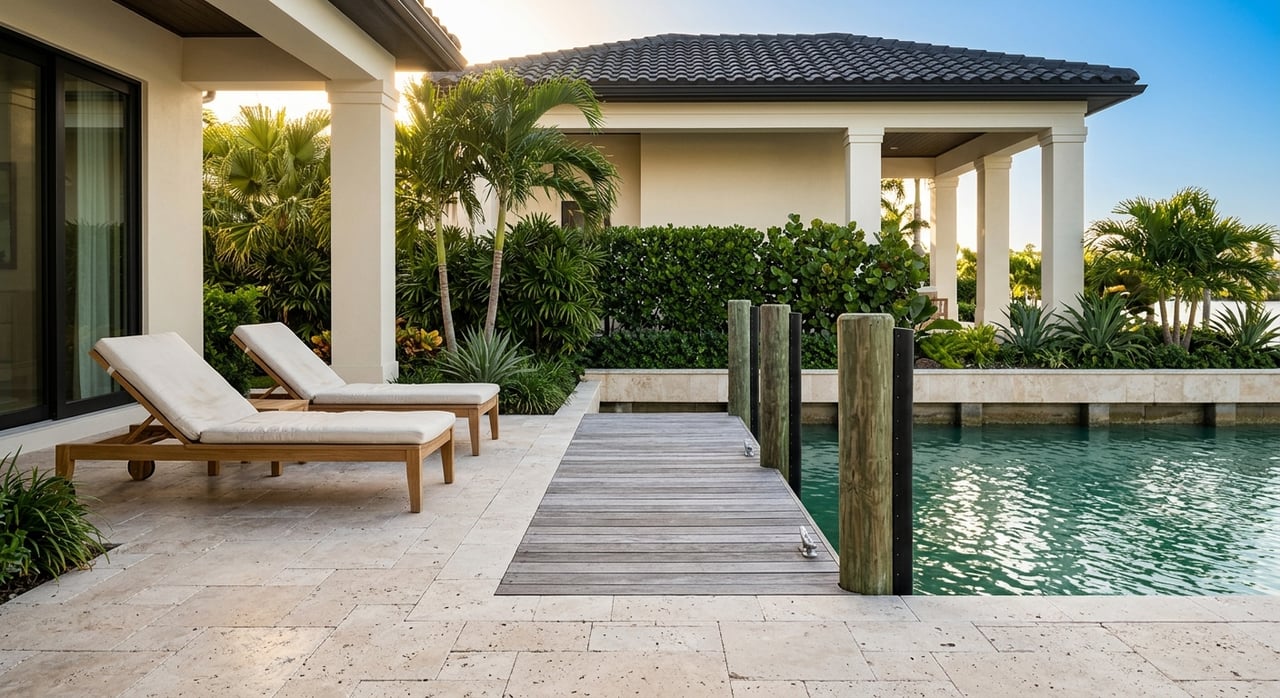
In Clearwater, boating is not tucked away behind private gates. It is part of the public waterfront fabric. The city’s Marine & Aviation Department operates Clearwater Beach Marina, Clearwater Harbor Marina, Island Estates Marina, Clearwater Marine Aquarium boat slips, Seminole Street Boat Ramp, Clearwater Beach boat ramp, and public day docks.
That network gives the waterfront a very different feel from a purely residential shoreline. Even if you are not a boat owner, you are likely to see ramps, slips, charter activity, and mooring as part of normal daily life. For many buyers, that visible marina culture adds to Clearwater’s appeal.
Clearwater Harbor Marina and downtown access
Clearwater Harbor Marina is the city’s central downtown boating hub. It offers 126 slips, more than 1,000 feet of overnight side-tie mooring, and more than 600 feet of daytime mooring. It also sits beside Coachman Park and close to the Cleveland Street retail and entertainment district.
That location says a lot about Clearwater’s waterfront identity. Here, boating, parks, downtown activity, and entertainment are closely connected. If you like the idea of being near the water without feeling cut off from restaurants and events, this setup can be a strong fit.
What to know about Clearwater Beach Marina
Clearwater Beach Marina remains a key part of the area’s boating and tourism identity, with fishing charters, sailing charters, dinner cruises, dolphin tours, parasailing, and personal watercraft rentals tied to the marina area. However, the city says the marina is currently under renovation, and no transient or day docks are available there right now.
That matters if you are comparing boating convenience between micro-areas. Waterfront living in Clearwater can look very different depending on whether your focus is beach access, marina access, or a more residential setting like Island Estates.
Dining and events keep the waterfront active
For many people, Clearwater waterfront living is just as much about what happens after the beach as what happens on it. The area’s dining identity is strongly tied to Gulf seafood, and the city highlights the grouper sandwich as a local favorite. You can expect a mix of casual beachfront spots and more polished waterfront dining options.
The social side of waterfront life also centers heavily on public gathering spaces. Sunsets at Pier 60 is described as a year-round nightly sunset celebration, while Coachman Park offers green space, walking trails, a splash pad, a playground, rentals, and The BayCare Sound with 4,000 covered seats. That gives waterfront living here a built-in calendar of things to do.
A waterfront lifestyle with regular events
Clearwater’s shoreline is not just scenic. It is programmed. The Pier 60 Sugar Sand Festival is the city’s largest destination event and attracts more than 200,000 visitors, and Clearwater Celebrates America brings free music and fireworks programming to Coachman Park.
For buyers, this is less about tourism statistics and more about expectation setting. If you live near the water in Clearwater, you are buying into a place with frequent outdoor programming, sunset activity, and seasonal crowds. Some people love that energy. Others may prefer a quieter waterfront pocket nearby.
Housing types vary by micro-area
One of the most important things to understand is that Clearwater waterfront living does not come in one standard format. Clearwater Beach has seen visible architectural change over time, with older small motels, restaurants, and stores being replaced by high-rise condos and hotels. The current planning framework also describes Clearwater Beach and downtown as walkable areas with mixed-use building types.
That means your experience can shift block by block. Some areas feel more tourism-oriented and vertical, while others feel more residential or transitional. Local planning materials also show that zoning and height limits vary in certain parts of north Clearwater Beach, which is another reason to look closely at the exact micro-location.
Island Estates offers a different waterfront feel
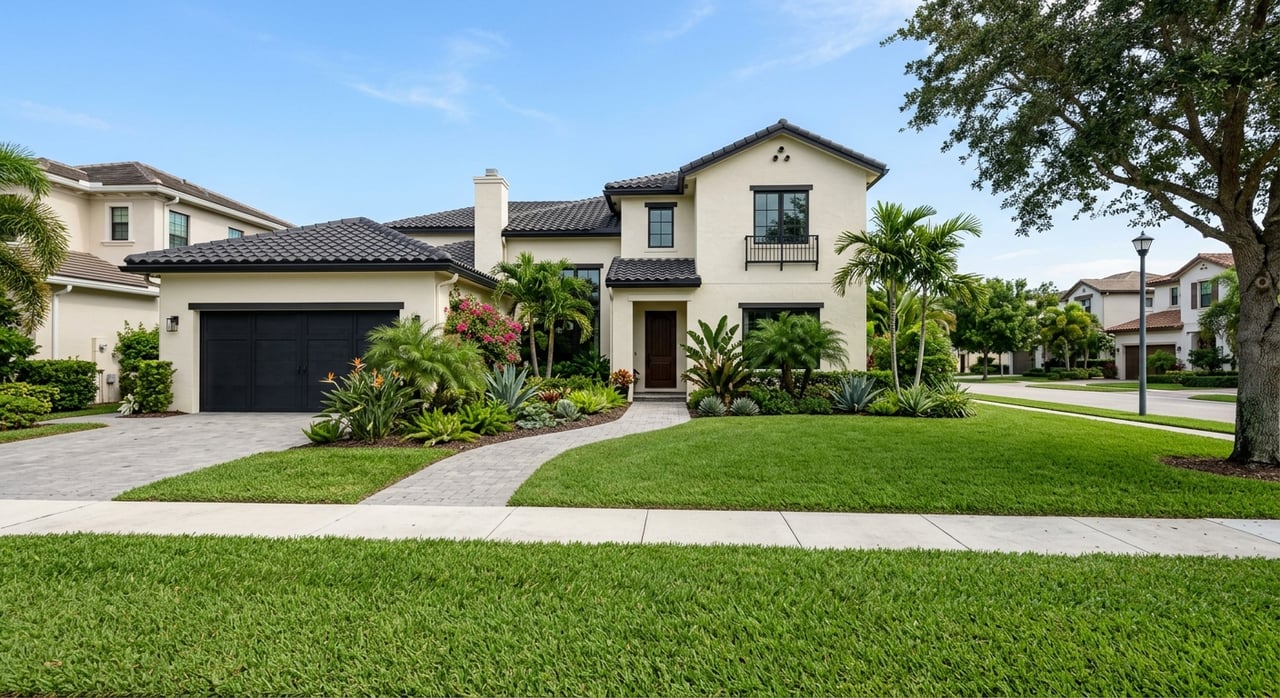
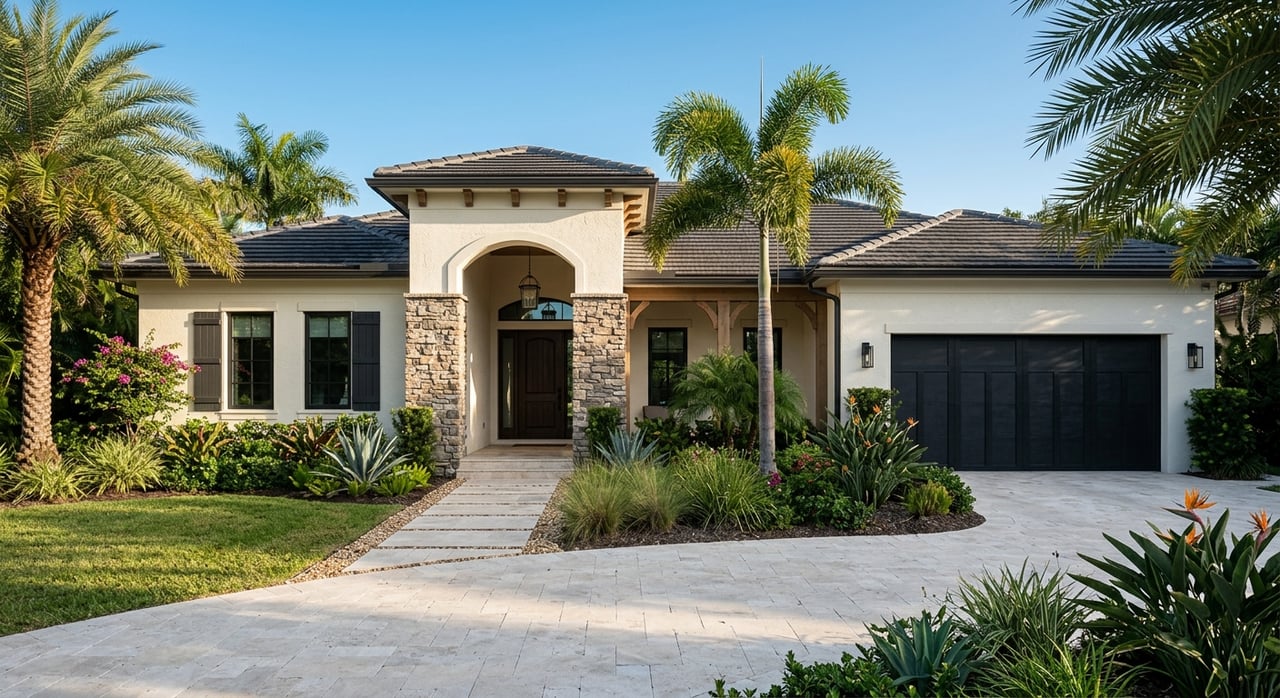
If you want residential waterfront living close to the beach, Island Estates stands out. The city’s neighborhood plan says it sits between Clearwater Beach and downtown, and almost every property is on the waterfront. The housing mix includes single-family homes, duplexes and triplexes, and multi-story condos.
That gives buyers more variety than they may find in the core beach area. It is also one of the clearest examples of a neighborhood where waterfront living feels residential first, while still keeping you close to the beach and downtown Clearwater.
Seasonality and risk matter in Clearwater
Waterfront living in Pinellas County always comes with practical questions, and Clearwater is no exception. Atlantic hurricane season runs from June 1 through November 30. Summer often brings brief afternoon rainstorms, while winter is typically drier, and Gulf water temperatures shift notably by season.
There are also beach-specific seasonal factors to know. Red tide is more common in warmer summer and fall months, and turtle nesting season runs from May 1 through October 31. These details may not change your long-term plans, but they can shape how you use the beach and how you think about timing for visits, maintenance, or second-home occupancy.
Flood zones and ownership costs
Flood exposure is one of the biggest ownership wildcards in any coastal market. Pinellas County notes that flood zones, evacuation zones, and storm surge areas are different, and the county warns that everyone lives in a flood zone in some sense. For buyers, that means you should avoid making assumptions based only on how close a property looks to the water.
The county also notes that homes in high-risk FEMA Special Flood Hazard Areas may require flood insurance when federally backed financing is involved. In real terms, the monthly cost of owning a waterfront property can differ sharply from what you might expect if you are coming from an inland market.
Is Clearwater waterfront living right for you?
Clearwater can be a great fit if you want beach access, boating visibility, public amenities, and a strong outdoor lifestyle. It works especially well for buyers who enjoy walkability, sunset routines, seafood dining, and the option to move between beach activity, marinas, parks, and downtown spaces in one day. The lifestyle is active, public-facing, and full of waterfront energy.
It may require a little more planning if your priority is privacy, very quiet surroundings, or simple ownership costs. In Clearwater, the best move is usually to match the right micro-area and property type to your goals. That is where local guidance can make a real difference.
If you are considering a waterfront condo, coastal home, or investment property in Clearwater or elsewhere in Pinellas County, Bill Watanabe can help you compare neighborhoods, evaluate property fit, and move forward with practical local insight.
FAQs
Is Clearwater Beach walkable for everyday living?
- Yes. The city describes Clearwater Beach as a highly walkable district with beach access, shops, restaurants, and Beach Walk, though traffic and visitor volume can still affect daily routines.
What types of waterfront homes are common in Clearwater?
- It depends on the area. Clearwater Beach includes many high-rise condos and hotels, while Island Estates has a mix of single-family homes, duplexes, triplexes, and multi-story condos.
Is boating access a major part of Clearwater waterfront living?
- Yes. The city operates a broad marina, dock, and boat ramp network, so boating culture is visible and accessible throughout daily waterfront life.
What should Clearwater waterfront buyers know about flood risk?
- Pinellas County says flood zones, evacuation zones, and storm surge areas are different, and some high-risk properties may require flood insurance when federally backed financing is used.
Are Clearwater beaches heavily regulated for public use?
- Yes. The city prohibits alcohol, smoking, pets on public bathing beaches, fires, and tents or temporary shelters on the beach.
What seasonal factors affect Clearwater waterfront living?
- Hurricane season runs from June 1 through November 30, red tide is more common in summer and fall, and turtle nesting season runs from May 1 through October 31.