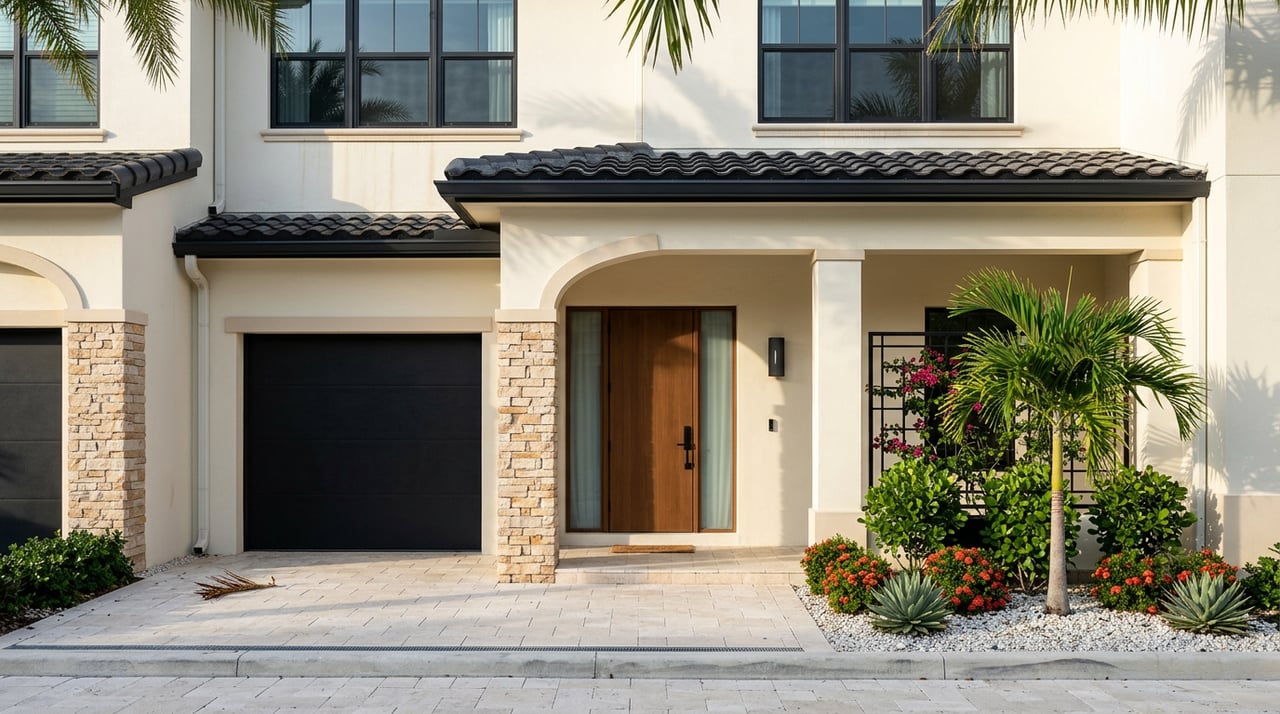
Trying to choose between a condo and a townhome in St. Petersburg? You are not alone. With coastal weather, active associations, and big differences in fees and insurance, the right choice can feel complicated. In this guide, you will see how each option works in Florida, what it costs in Pinellas County, and the key checks that protect your budget. You will leave with a simple checklist you can use on your very next showing. Let’s dive in.
St. Petersburg market reality
St. Pete is a coastal-urban market where location and building type drive price. Downtown and waterfront addresses often command a premium, while inland townhome communities can offer more space for the money. Local reports show that inventory rose in 2025 and that median condo and townhome prices tracked below single-family homes. In a June 2025 snapshot, the county’s condo and townhome median was about $265,000, with single-family homes materially higher. You can see the market context in a recent local update from the St. Pete Catalyst’s coverage of rising inventory across Pinellas County. Read the market snapshot here.
What you pay each month varies widely. In St. Petersburg, monthly association fees often range from the low hundreds to $900 or more depending on amenities, age, and location. Do not expect a single “neighborhood average.” Always verify the current budget and what it covers for the specific building.
How condos and townhomes differ in Florida
Ownership and governance basics
Florida uses two main legal frameworks for these properties. Condominiums follow the state’s Condominium Act in Chapter 718, which sets rules for common elements, reserves, and association duties. You can review the statute text here: Florida Condominium Act, Chapter 718. Many fee-simple townhomes sit in homeowners associations that follow Chapter 720. Some attached townhome-style communities are legally condominiums, so it is essential to check the recorded documents to confirm the ownership type.
What fees usually cover
Association fees typically fund exterior and common-area upkeep. In condos, fees often cover building exteriors, hallways, elevators, pools or gyms, common utilities, management, and reserves. Townhome HOAs usually cover shared landscaping, roads, and amenities. The declaration and annual budget control the details, so ask for the current written list of inclusions.
Who insures what
- Condominiums: The association must carry a master property policy for the condominium property and common elements. Unit owners then carry an HO‑6 policy for interior finishes, personal property, and loss-assessment needs. Review the association’s master policy type to understand coverage limits and deductibles. See the statutory insurance duties in Section 718.111.
- Townhomes in HOAs: If your deed conveys the structure, you often carry a standard homeowners policy for the building and your belongings. If the townhome is legally a condominium, follow condo insurance rules instead. Confirm responsibilities in the deed and CC&Rs, and see the HOA statute in Chapter 720.
Coastal risks and building rules
Flood zones and flood insurance
Pinellas County faces both storm surge and heavy rain flooding. Lenders commonly require flood insurance for homes in FEMA high-risk zones. Before you fall in love with a property, check its flood zone and elevation. Request any elevation certificate, then price National Flood Insurance Program or private flood coverage into your monthly costs. You can verify a property’s status using the Pinellas County Flood Map Service Center.
Milestone inspections and SIRS for condos
After the Surfside tragedy, Florida added milestone structural inspections for buildings with three or more habitable stories. These start at 30 years of age, or earlier in some coastal areas, and repeat every 10 years. A related Structural Integrity Reserve Study (SIRS) and stronger reserve rules also apply to structural items. These findings can lead to significant repairs and special assessments, especially in older buildings. Read the state law update here: Senate Bill 4‑D text.
The Division of Condominiums posts implementation guidance and inspection information, so it pays to review building-level reports during due diligence. Use the state portal to find association filings and inspection details: DBPR Condominium Inspections.
Financing differences you should know
Condo project reviews and warrantability
If you plan to use FHA, VA, or conventional financing for a condo, your lender will likely run a project-level review. Fannie Mae and Freddie Mac look at items like reserves, delinquencies, litigation, and investor concentration. Some buildings do not meet standards, which can affect your loan options and timeline. Get clarity early by asking your lender to check project eligibility. See an overview of condo project review requirements in Fannie Mae’s guidance.
How lenders view townhomes
Fee-simple townhomes are often underwritten like single-family homes, which can make financing more straightforward. Lenders still review HOA fees and may look at the budget, but the process rarely involves a full condo project review. Confirm with your lender which program fits your target community, since some attached townhomes are legally condos.
Rental rules to confirm before you buy
City of St. Petersburg short-term limits
The City of St. Petersburg allows residential rentals of fewer than 30 days up to three times in any 365-day period without being treated as a transient accommodation. Beyond that limit, other approvals or overlays may be required, and your association can add stronger limits. Review the city’s guidance here: St. Petersburg transient accommodation handout.
Pinellas County certificate for unincorporated areas
In unincorporated Pinellas County, a Short‑Term Rental Certificate of Use program sets inspections, fees, and occupancy and parking rules. If you want rental income, confirm both government rules and the association’s documents. See the county program details: Pinellas County STR Program.
Choose a condo if
- You want low-effort ownership with the exterior and common elements handled by the association.
- On-site amenities like a pool, gym, or concierge matter to you.
- You value a single monthly payment that can cover many services.
- You want a walkable downtown or waterfront lifestyle.
Be mindful of master insurance structure, total monthly fees, and the impact of milestone and SIRS findings in taller buildings.
Choose a townhome if
- You prefer more control over your structure and finishes.
- You want a balance between single-family living and low maintenance.
- You want simpler conventional financing in some cases.
- You like the idea of fewer shared systems such as elevators.
Confirm whether the HOA or the owner handles the roof, paint, and exterior. Some townhome communities are legally condominiums, which changes insurance and reserves.
True monthly cost checklist
Use this quick list to estimate your carry cost before you make an offer.
- Association fee: List what it includes. Compare line items in the budget such as water, trash, cable, reserves, and management.
- Insurance: For condos, price an HO‑6 policy and ask for the association’s master policy details. For townhomes, request quotes for a standard homeowners policy. See statutory condo insurance duties in Section 718.111.
- Flood insurance: Verify flood zone and elevation and obtain quotes. Check the Pinellas flood map tool.
- Reserves and capital plans: Review the latest reserve study. For 3+ story condos, review the SIRS and any milestone reports for upcoming projects. See the state’s post‑Surfside rules in SB 4‑D.
- Special assessments: Ask about any approved or pending assessments and their payoff options.
- Utilities and services: Note any separate bills for water, sewer, internet, or trash not covered by the association.
Buyer due-diligence checklist
Before you write an offer, request and review these items. Florida law entitles condo buyers to specific disclosures and association materials, which help you avoid surprises.
- Declaration, bylaws, and rules to confirm maintenance, rental, and pet policies. See the Florida Condominium Act.
- Current operating budget and the most recent financial statement. Florida’s resale rules detail required materials for condo purchases. Review the statute here: Condo resale disclosures, Section 718.503.
- Reserve study and, for 3+ story condos, the SIRS and any milestone inspection reports. See the statutory milestone and reserve updates in SB 4‑D and confirm any posted materials via the DBPR inspection portal.
- Board meeting minutes for the last 12 to 24 months, focusing on major repairs, litigation, and assessments.
- Master insurance certificate and declarations page, including limits and deductibles. For condos, verify if the policy is “all‑in” or “bare‑walls.” Statutory insurance context is in Section 718.111.
- Estoppel certificate showing amounts owed and any pending assessments.
- Owner‑occupancy and delinquency data for condos, since lenders consider these during project reviews. Learn how lenders evaluate projects in Fannie Mae’s guidance.
- Flood zone confirmation and any elevation certificate. Check the Pinellas flood map tool.
Who each option suits
- Downtown lifestyle with minimal upkeep: A newer condo can be a great fit if you value amenities and walkability. Confirm reserve strength, SIRS or milestone status, and any rental limits before you commit.
- Need space with fewer chores: A townhome in a managed community can deliver more room while keeping yards and common areas handled by the HOA. Confirm if the HOA or the owner maintains the exterior.
- Considering rental potential: Check both city and county short-term rules and your association’s documents. St. Pete limits rentals of fewer than 30 days to three times per year without extra approvals. See the city handout and the Pinellas STR program.
Next steps
If you are leaning condo, have your lender confirm project eligibility early and factor in reserves, insurance, and any structural reports. If you prefer a townhome, verify whether it is fee simple or legally a condominium so you can price insurance and maintenance correctly. When you are ready to compare options in your target neighborhoods and run real numbers, reach out to Bill Watanabe for clear, local guidance.
FAQs
What are typical HOA or condo fees in St. Petersburg?
- Fees vary widely by building age, amenities, and location. Listing examples often show monthly fees from the low hundreds to $900 or more. Always verify the current budget and what it covers for each property.
Do condo fees include wind or flood insurance in Pinellas County?
- Condo associations carry a master policy for the condominium property and common elements, while unit owners carry HO‑6 coverage. Flood insurance is separate and may be required by your lender. See Section 718.111 and check your flood zone with the Pinellas flood map tool.
How do milestone inspections and SIRS affect condo buyers?
- These reports can identify structural repairs and reserve funding needs that lead to special assessments. Ask for the latest SIRS and milestone documents and review the plan and timeline for any required work. See SB 4‑D.
Can I use FHA, VA, or conventional loans for a St. Pete condo?
- Often yes, but many loans require a project-level review. Buildings with weak reserves, high delinquencies, or other issues may not qualify. Have your lender check project eligibility early. See Fannie Mae’s project guidance.
Are short-term rentals allowed in downtown St. Petersburg condos?
- The city allows rentals of fewer than 30 days up to three times per year without transient classification. Your association may have stricter rules. Review the city’s handout and confirm building rules before you buy.