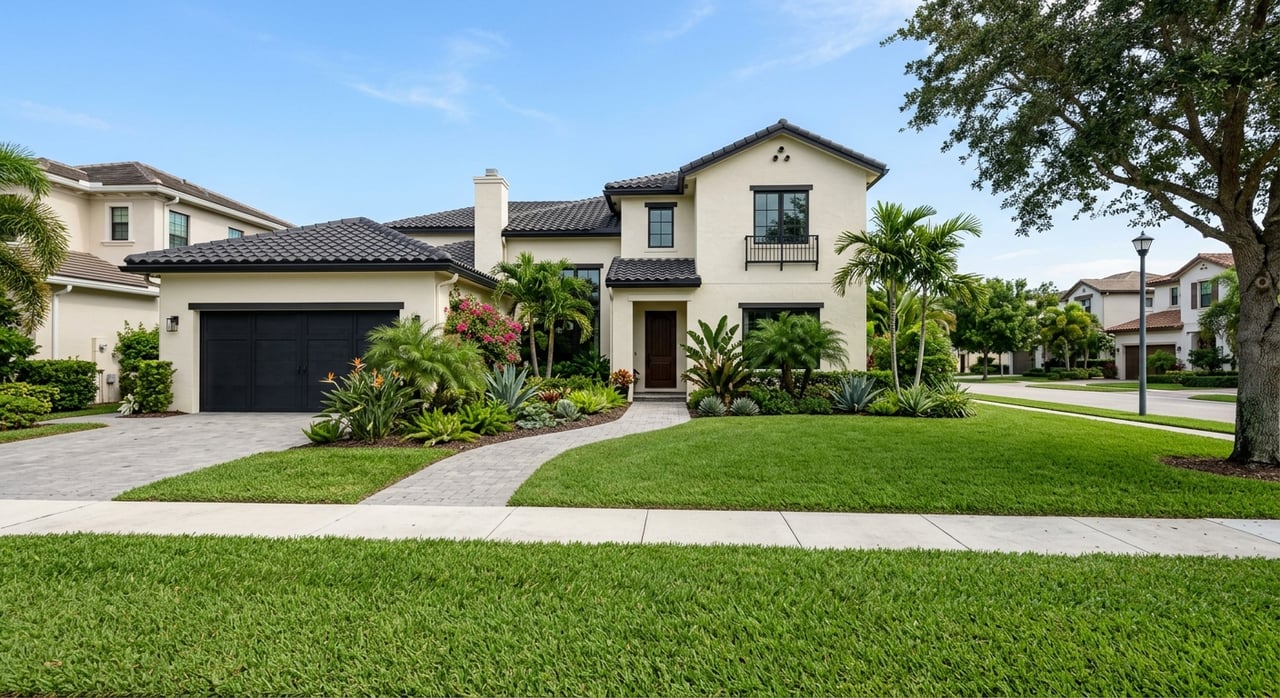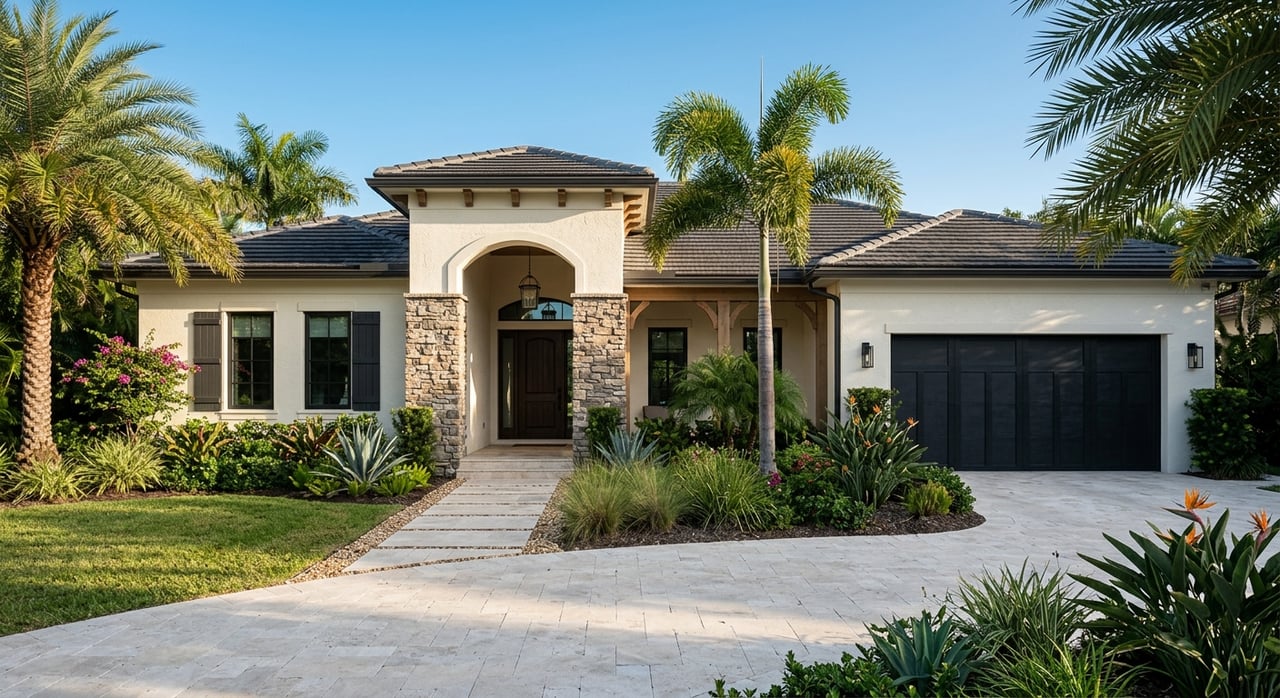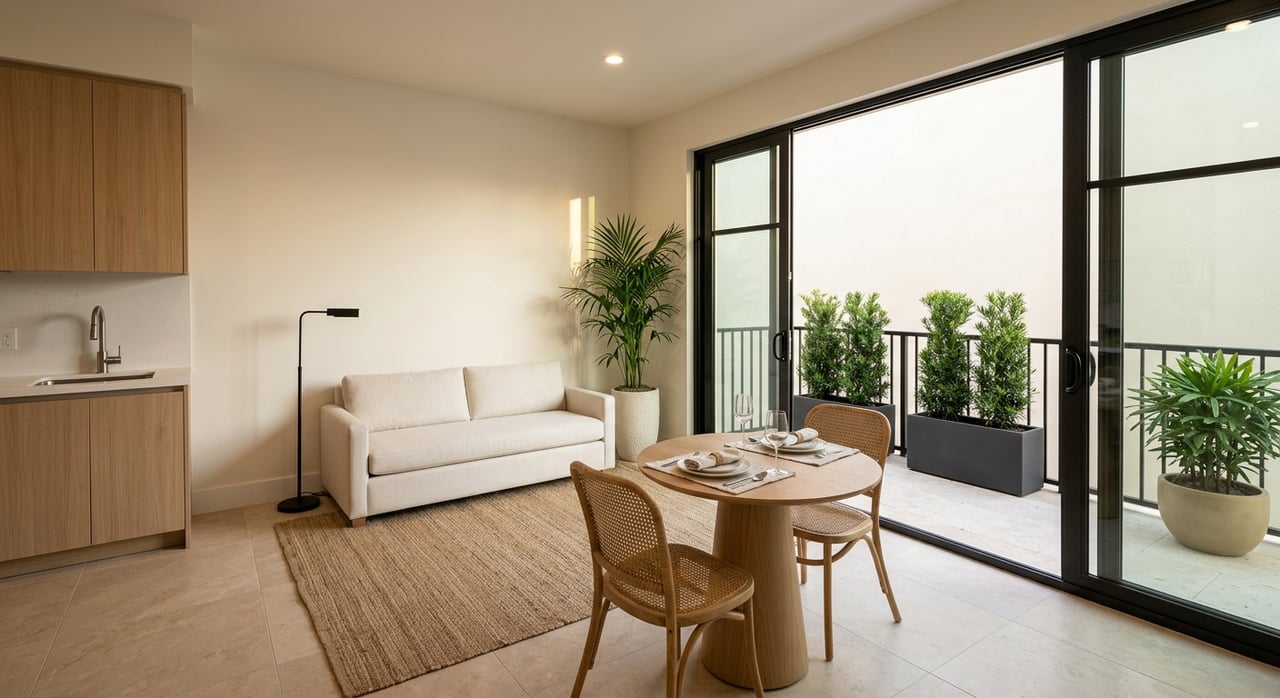
Are you starting to look around your house and wonder whether you still need all that space? If you live in or near Belleair Bluffs, that question makes a lot of sense. For many homeowners, downsizing from a single-family home to a condo is less about giving something up and more about simplifying daily life, freeing up equity, and choosing a home that fits how you live now. Let’s dive in.
Why Downsizing Fits Belleair Bluffs
Belleair Bluffs is a small city with a compact footprint, and that can shape how you think about your next move. According to Census Reporter’s Belleair Bluffs profile, the city has a median age of 59.6 and an average of 1.8 people per household. That points to a market where many households may be thinking more about right-sizing than adding square footage.
If you have owned your home for years, the financial side may matter too. The same Census Reporter profile shows a median owner-occupied home value of $415,900 in Belleair Bluffs. That means you may have meaningful equity to use toward a condo purchase, future expenses, or broader retirement planning.
Why Many Owners Move to a Condo
For many sellers, the biggest appeal is simple: less upkeep. A single-family home often comes with yard work, exterior maintenance, roof concerns, and more ongoing to-do lists than you may want.
A condo can shift much of that responsibility away from you. In exchange, you usually take on monthly association dues and shared building costs. That trade can work well, but only if the building, fees, and rules match your goals.
At the county level, the pricing gap also helps explain why condos are often part of the downsizing conversation. The Pinellas REALTOR® Organization January 2026 market report shows a median sale price of $440,000 for single-family homes in Pinellas County, compared with $350,000 for townhomes and condos.
That does not mean every condo is cheaper than every house. It does mean that, in general, attached housing can offer a lower price point while reducing day-to-day maintenance.
Compare Lifestyle, Not Just Square Feet
When you downsize in Belleair Bluffs, the choice is often about daily convenience more than neighborhood size. Because the city is compact, a condo’s exact location can change how easy it is to run errands, meet friends, or enjoy dinner close to home.
The city’s business directory and local commercial areas support that practical, block-by-block way of thinking. Instead of asking only, “How many bedrooms do I need?” you may want to ask, “How do I want my day to feel?”
That could include things like:
- Easier access to shopping and dining
- Less time spent on exterior upkeep
- A more manageable floor plan
- Simpler lock-and-leave living for travel
- Amenities or common spaces you will actually use
What You May Gain by Downsizing
Moving from a house to a condo can create benefits beyond convenience. If your current home feels larger than you need, downsizing may help you align your housing costs and responsibilities with your current lifestyle.
Possible benefits include:
- Lower maintenance demands
- Potentially lower purchase price than a detached home
- The chance to unlock equity from your current property
- A layout that better fits a smaller household
- More time for travel, hobbies, or family
That said, downsizing works best when you look at the full picture. A lower-maintenance property is not automatically a lower-cost property once dues, reserves, insurance, and assessments are part of the equation.
Understand the Condo Tradeoffs
A condo can simplify ownership, but it also introduces a different set of responsibilities. Instead of managing everything yourself, you become part of a shared ownership structure with a condo association.
That means you should understand:
- Monthly condo or HOA dues
- Reserve funding
- Building maintenance history
- Rules for pets, guests, parking, and rentals
- Any upcoming repair projects or assessments
This matters even more in Florida today because of updated condo safety and reserve requirements. Under Florida Statute 718.112, certain condominium associations must complete a structural integrity reserve study, or SIRS, for residential buildings that are three habitable stories or higher.
The practical takeaway is clear. Reserve funding is not a background detail. It is a major part of your buying decision.
Why Reserve Funding Matters More Now
The state’s condo rules have made financial review more important for buyers. As outlined in the Florida DBPR condo guidance, budgets adopted on or after January 1, 2025 may not waive SIRS reserves when those reserve requirements apply.
That means if you are comparing condos, you should pay close attention to how the association is funding major future repairs. A building with stronger reserves may feel more expensive month to month, but that does not always mean it is the riskier choice.
In some cases, lower dues can hide larger future costs. If reserves are underfunded, owners may face special assessments when major work comes due.
Check Milestone Inspection Issues
Older condo buildings deserve extra review. Florida’s milestone inspection law requires inspection reporting and owner notice for applicable buildings, which can make a building’s repair history and documentation especially important.
If you are considering an older or taller building in or near Belleair Bluffs, ask careful questions about engineering reports, completed repairs, and any pending work. This is not about avoiding older buildings altogether. It is about understanding the condition, paperwork, and financial planning behind the property.
Questions to Ask Before You Buy
A good condo decision usually comes down to asking better questions early. Before you move from a single-family home to a condo, it helps to compare both your lifestyle needs and the building’s financial picture.
Here are some of the most useful questions to ask:
- How much space do you truly use today?
- Are the condo fees offsetting maintenance savings in a way that makes sense for you?
- Is the building subject to SIRS requirements?
- Are reserves funded adequately?
- Is the building subject to milestone inspection requirements?
- How do parking, storage, guest access, pets, and rental rules work?
- Are there any known special assessments or major repairs on the horizon?
These questions are especially relevant in Belleair Bluffs, where many households are smaller and daily convenience can vary significantly from one building location to another.
Selling Your House First
If you are moving from a single-family home into a condo, your sale strategy matters just as much as your purchase strategy. The amount of equity you unlock can shape your budget, your timing, and how flexible you can be when comparing condo options.
This is where accurate pricing and local guidance really help. You want to understand what your home could realistically sell for, what your likely net proceeds may be, and how that lines up with the type of condo lifestyle you want next.
In a move like this, it often helps to map out:
- Your home’s likely market value
- Estimated selling costs and net proceeds
- Your target condo budget
- Your preferred move timeline
- Any overlap or temporary housing needs
Don’t Overlook Homestead Portability
If your current property is your Florida homestead, portability may be an important part of your plan. According to the Pinellas County Property Appraiser, eligible homeowners may transfer the accumulated difference between assessed value and just value to a new Florida homestead.
That can help preserve part of your tax benefit when you move, even if you are downsizing. The same source notes that the application deadline is March 1 of the year being claimed, and the transfer window is three tax years from January 1 of the last qualified homestead exemption.
Because tax planning can affect your long-term costs, portability is worth reviewing before you make final decisions on timing.
Why Condo Choice Is So Specific in Belleair Bluffs
In a larger city, you might think in broad neighborhood terms first. In Belleair Bluffs, the decision can be more granular. The exact building, street, and daily route to errands may matter more than the city label itself.
That is one reason a careful, property-by-property approach matters here. Two condos may both be in Belleair Bluffs, but your experience can feel very different depending on fees, building condition, parking, walkability to nearby businesses, storage, and association rules.
A Practical Downsizing Plan
If you are considering a move from a house to a condo, keep your process simple and focused. Start with your real-life needs, then compare those needs against building details and financial facts.
A practical plan often looks like this:
- Define how much space you actually need
- Estimate your likely home-sale proceeds
- Set a condo budget that includes monthly dues
- Review building rules and ownership costs carefully
- Check reserves, inspections, and repair history
- Compare locations based on your daily routine
- Plan your move timing and tax questions early
Downsizing is not just a real estate move. It is a lifestyle decision. When done well, it can leave you with less maintenance, a better-fitting home, and more confidence about the years ahead.
If you are weighing a move in Belleair Bluffs or anywhere nearby in Pinellas County, Bill Watanabe can help you evaluate your home’s value, compare condo options, and make a practical plan that fits your goals.
FAQs
What does downsizing from a house to a condo in Belleair Bluffs usually mean?
- It usually means moving from a larger single-family home into a smaller, lower-maintenance property while weighing tradeoffs like condo fees, rules, reserve funding, and building condition.
How do Pinellas County condo prices compare with single-family home prices?
- According to the January 2026 Pinellas market report, the median sale price was $440,000 for single-family homes and $350,000 for townhomes and condos.
What should condo buyers in Belleair Bluffs review before making an offer?
- You should review monthly dues, reserve funding, association rules, parking, storage, pet and rental restrictions, repair history, and whether the building is subject to SIRS or milestone inspection requirements.
What is a structural integrity reserve study for a Florida condo?
- A structural integrity reserve study, or SIRS, is a reserve planning requirement under Florida law for certain condominium buildings that are three habitable stories or higher, and it helps buyers assess future repair funding.
Can you use homestead portability when downsizing in Pinellas County?
- Yes, eligible Florida homestead owners may be able to transfer portability benefits to a new Florida homestead, subject to the rules and deadlines listed by the Pinellas County Property Appraiser.
Why is condo location so specific in Belleair Bluffs?
- Because Belleair Bluffs is a very small, compact city, the exact building location can have a meaningful impact on daily convenience, access to businesses, and how well the property fits your routine.