Trying to decide between a condo and a townhome in Madeira Beach? You are not alone. Beach living comes with unique costs, rules, and lifestyle tradeoffs, and the right choice depends on how you plan to use the property. In this guide, you will learn the key differences in ownership, fees, insurance, parking, storage, rentals, and resale so you can buy with confidence. Let’s dive in.
Condo vs. townhome basics
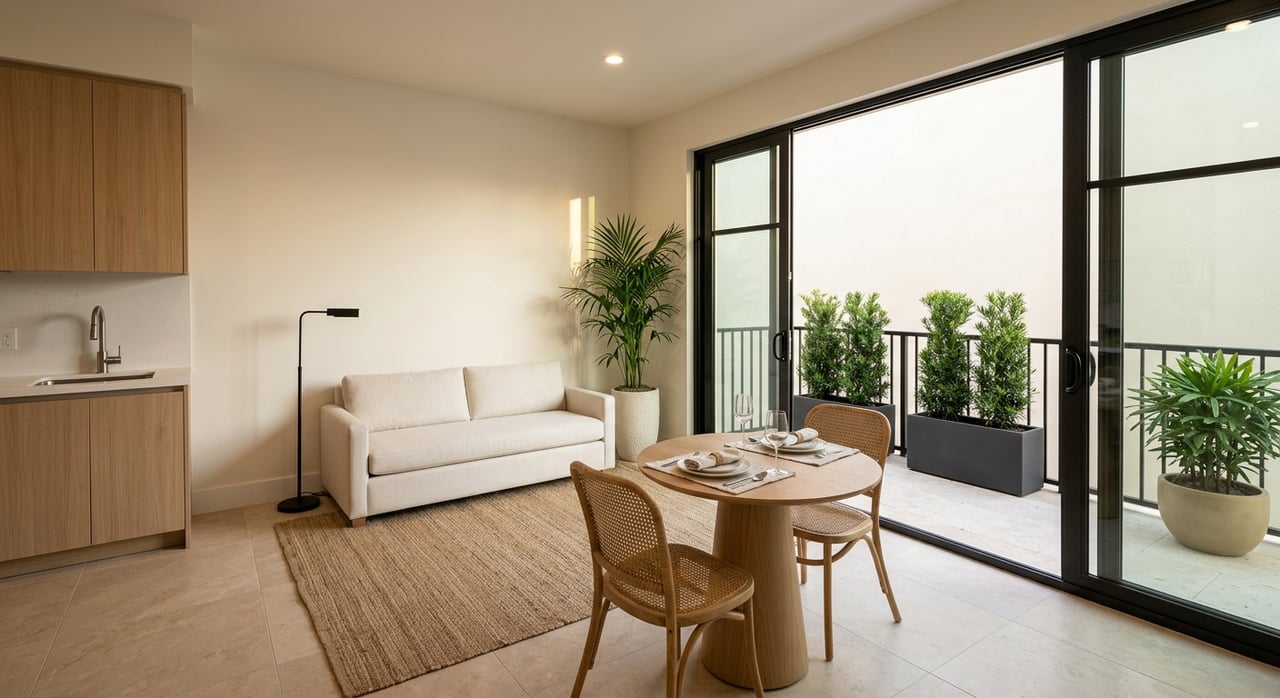
Condos give you ownership of the interior of your unit plus a shared interest in the building’s common areas. A condo association manages the exterior, structure, and amenities under recorded documents and Florida condominium law.
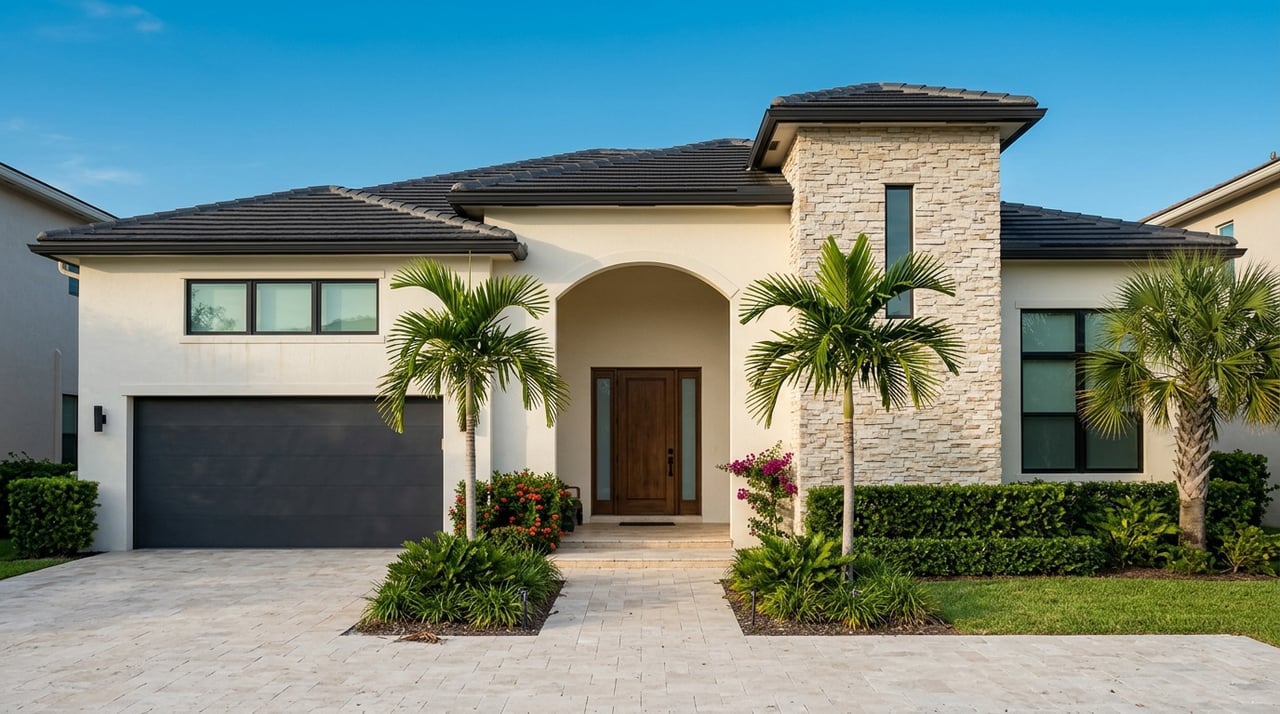
Townhomes often provide fee-simple ownership of the unit and the land beneath it. Exterior and roof responsibilities vary by community. Some townhomes are governed by a homeowners’ association, while others are legally organized as condominiums.
In Madeira Beach, both options exist near the water. The right fit depends on how much control you want over maintenance, your storage and parking needs, and how you plan to use the home.
Maintenance and monthly fees
Condo associations typically handle exterior structure, roof, building systems, landscaping, and shared amenities. You usually maintain the interior finishes, appliances, and fixtures in your unit.
Townhome responsibilities depend on the governing documents. In fee-simple HOAs, you may handle your own roof and exterior. In townhome-style condos, the association often manages the exterior like a traditional condo would. Always verify the recorded declaration for any property.
What drives higher monthly fees in Madeira Beach:
- Building systems: elevators, centralized HVAC, and common utilities.
- Amenities: pools, fitness rooms, security, docks, or staffed entries.
- Insurance premiums: coastal properties carry higher wind and flood-related costs.
- Reserves and building age: older buildings and underfunded reserves can increase fees or lead to special assessments.
Special assessments and association health
If reserves and dues do not cover a major repair, an association can levy a special assessment. Buildings with large shared structures are more exposed to this risk.
Before you write an offer, ask for the current budget, recent financial statements, reserve study, meeting minutes, and any history of special assessments or litigation. These documents help you spot red flags early.
Structural inspections and peace of mind
After 2021, Florida condominiums have faced greater scrutiny on building safety and inspections. Ask whether required structural or safety inspections have been completed and request copies of the reports. Confirm plans and funding for any recommended repairs.
Insurance and flood risk
On the beach, you need to understand two insurance layers: property coverage and flood coverage. In a condo, the master policy usually covers common elements and some building property. Your unit policy covers interior contents and improvements per the master policy’s unit boundaries.
For fee-simple townhomes, you often insure the entire structure and interior, while the HOA may insure only common areas. Flood insurance is a separate policy and may be required by your lender if the property lies in a FEMA Special Flood Hazard Area. Elevation and first-floor height can influence premiums, so obtain quotes early.
Parking, storage, and daily life
Condos often provide assigned stalls, sometimes covered, with guest parking that can be limited. You may encounter gate systems, parking passes, or strict guest rules, especially in busy seasons.
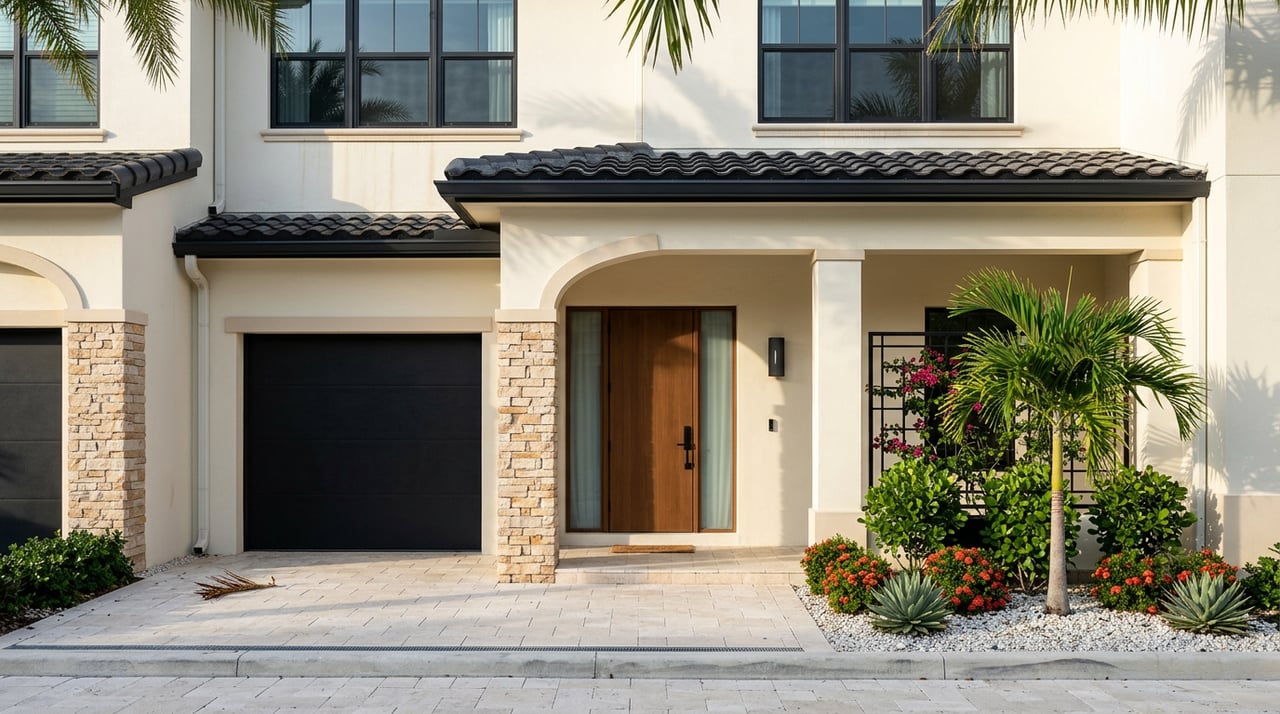
Townhomes are more likely to include a private driveway and garage. That extra space makes it easier to store beach gear, bicycles, kayaks, or paddleboards. If you value quick load-and-go beach days or secure gear storage, a townhome can be a strong fit.
Lifestyle is different too. Condos tend to have more neighbors in close quarters, shared elevators, and steady amenity traffic. Townhomes often feel more private with individual entries and fewer shared spaces.
Rentals and local rules
Madeira Beach is a vacation destination, and many associations regulate short-term rentals. Condo associations commonly set minimum stays, require registration, or prohibit short stays altogether. Townhome rental rules vary by community, and some HOAs can still restrict short-term rentals.
City rules may also apply. Always review the association’s rental policy and check local requirements before you buy if rental income matters to you.
Financing and resale
Condos can face added lender scrutiny. Projects with high investor concentration, inadequate reserves, or pending litigation may be considered non-warrantable, which limits financing options. Townhomes with fee-simple ownership are often easier to finance, though townhomes organized as condominiums follow condo rules.
On resale, condos can offer lower entry prices and strong investor interest, but buyers may compare fees and rules across many buildings. Townhomes appeal to buyers who want garages, storage, and more control over the exterior. That can help broaden your buyer pool among year-round residents.
How to choose: quick framework
Choose a condo if:
- You want a lock-and-leave setup with exterior maintenance handled for you.
- You prefer on-site amenities like a pool or fitness room.
- You want a smaller footprint close to the beach at a potentially lower purchase price.
Choose a townhome if:
- You need private parking, a garage, and real storage for beach gear.
- You want more control over the exterior and fewer high-rise building issues.
- You prefer simpler financing and broader appeal to long-term residents.
Remember, each property is unique. The governing documents decide the real tradeoffs.
What to request before you write an offer
Ask the listing agent or association for:
- Governing documents: Declaration/CC&Rs, Articles, Bylaws, Rules and Regulations.
- Financials: current budget, latest statements, dues delinquency rate.
- Reserve study and a schedule of upcoming capital projects.
- Board meeting minutes for the last 12–36 months and any special assessment notices.
- Insurance details: master policy (condo) or HOA coverage summary, limits, and whether flood insurance is carried.
- Litigation disclosures for any pending legal actions.
- Rental policy and a history of rental approvals.
- Parking map, stall assignments, and guest parking rules.
- Recent inspection reports: roof, structural, elevator, and any required compliance certificates.
- Historic maintenance records for major projects like roofs, exterior painting, or dock work.
- Pet policy and any restrictions.
Smart questions to ask on a tour
- Who maintains the roof, exterior walls, windows, driveway, and HVAC equipment?
- How old are major components like the roof, HVAC systems, and elevators?
- What is the dues delinquency rate and have there been special assessments in the last 5–10 years?
- What capital projects are planned and are reserves adequate per the reserve study?
- How do owner and guest parking work? Are there permits, fees, or time limits?
- What are the rules for rentals, guests, and short-term stays?
- How does the association handle storm prep and post-storm repairs? Is there a hurricane plan?
- What flood zone is the property in and have there been any recent flood claims?
Next steps for Madeira Beach buyers
- List your must-haves: garage, storage, rental flexibility, and distance to the sand.
- Talk with a local lender early to confirm condo project eligibility if you are considering condos.
- Gather key documents before you offer, especially financials, reserve study, and insurance certificates.
- Order a thorough home inspection, and consider structural or moisture checks for older buildings.
- Review flood maps and obtain flood insurance quotes.
- Consult a local real estate professional or attorney experienced with association reviews to interpret documents and spot risk.
If you want a steady hand to compare specific buildings and communities side by side, reach out. You will get clear guidance tailored to your budget, lifestyle, and long-term plans. Connect with Bill Watanabe to review options and schedule tours.
FAQs
What is the main difference between a condo and a townhome in Madeira Beach?
- Condos give you interior unit ownership plus shared common areas, while townhomes often provide fee-simple ownership of the unit and land, with exterior responsibilities varying by community.
How do condo and townhome fees typically compare near the beach?
- Multi-story beach condos with elevators and amenities usually have higher monthly dues, while townhome fees can be lower unless the community has extensive amenities or docks.
What should I review to avoid surprise special assessments?
- Request the association’s budget, financial statements, reserve study, board minutes, special assessment history, and any pending litigation disclosures.
How does flood risk affect Madeira Beach properties?
- Many properties are in coastal flood zones. Lenders may require flood insurance, and elevation and first-floor height can influence premiums, so obtain quotes early.
Are short-term rentals allowed in Madeira Beach condos and townhomes?
- Rules vary. Many condos restrict short stays with minimum rental periods or approvals, while townhome communities may be more flexible, subject to HOA and local regulations.