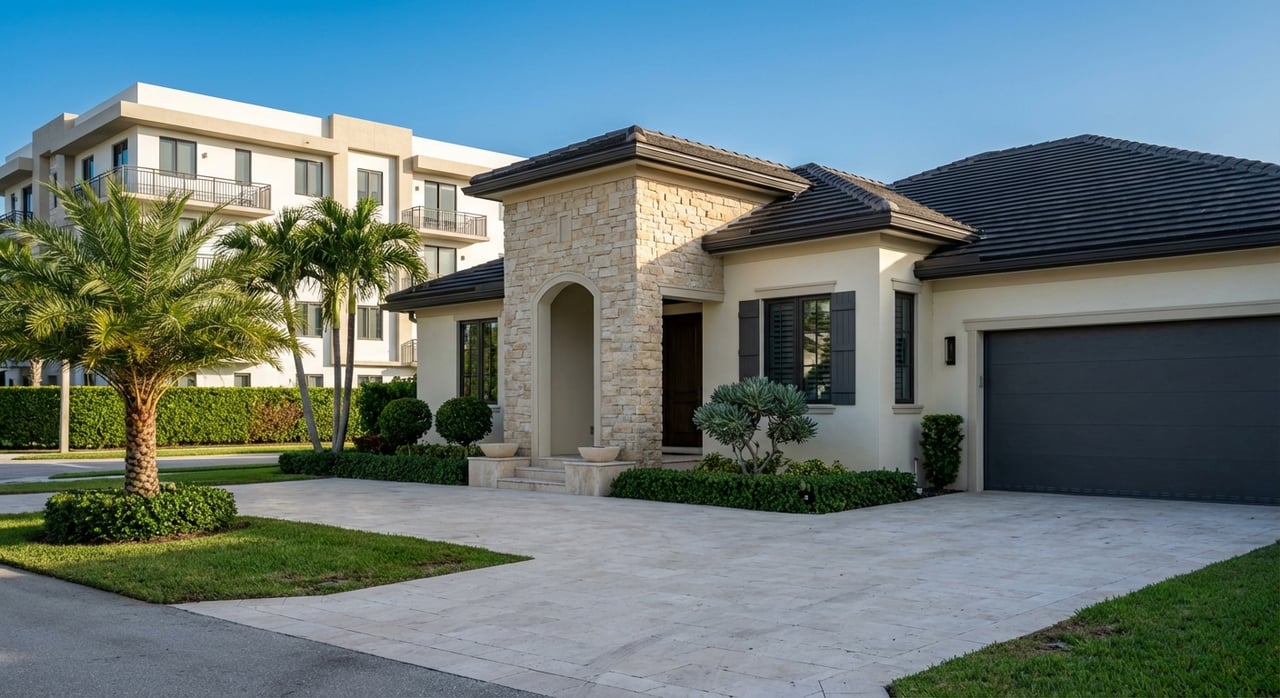
Trying to decide between a Clearwater condo and a single-family home? You’re not alone. The right choice comes down to how you want to live, what you want to maintain, and how the numbers pencil out once you factor in dues, insurance, taxes, and lending rules. In this guide, you’ll learn the key differences, what to budget, which documents to request, and a simple checklist to move forward with confidence. Let’s dive in.
Clearwater market snapshot
Clearwater offers a wide mix of options, from high-rise towers on Clearwater Beach to suburban homes on the mainland. By the numbers, Zillow’s Clearwater typical home value (ZHVI) was about $332,500 as of January 31, 2026, while Redfin’s MLS-based median sale price was near $420,000 in January 2026. Each data set uses a different method, which explains the gap. What matters most is your target neighborhood and property type.
Across Pinellas County, inventory has generally been rising and time on market increased in 2025 and 2026, which gives you more choice than in the 2020–2021 peak. You’ll also see strong price differences between Clearwater Beach and inland neighborhoods like Countryside or downtown Clearwater. For a live county trend view, check the Pinellas page on local market reporting sites such as PropertyFocus’s county trends summary for context on supply and price patterns in recent months. You can also use the Pinellas County Property Appraiser to run parcel-level checks when you have an address.
Condo vs. single-family basics
Maintenance and chores
- Condos: You typically maintain the inside of your unit. The association handles the roof, exterior, elevators, pool, landscaping, and common areas. You fund that work through monthly dues, which reduces your day-to-day chores but shifts cost control to the association. This setup is standard and supported by typical condo insurance structures.
- Single-family homes: You handle everything exterior, including roof, yard, driveway, and any pool. If the home is in an HOA, some exterior items may be shared, but you still have more control and more responsibility than a condo owner.
Amenities and space
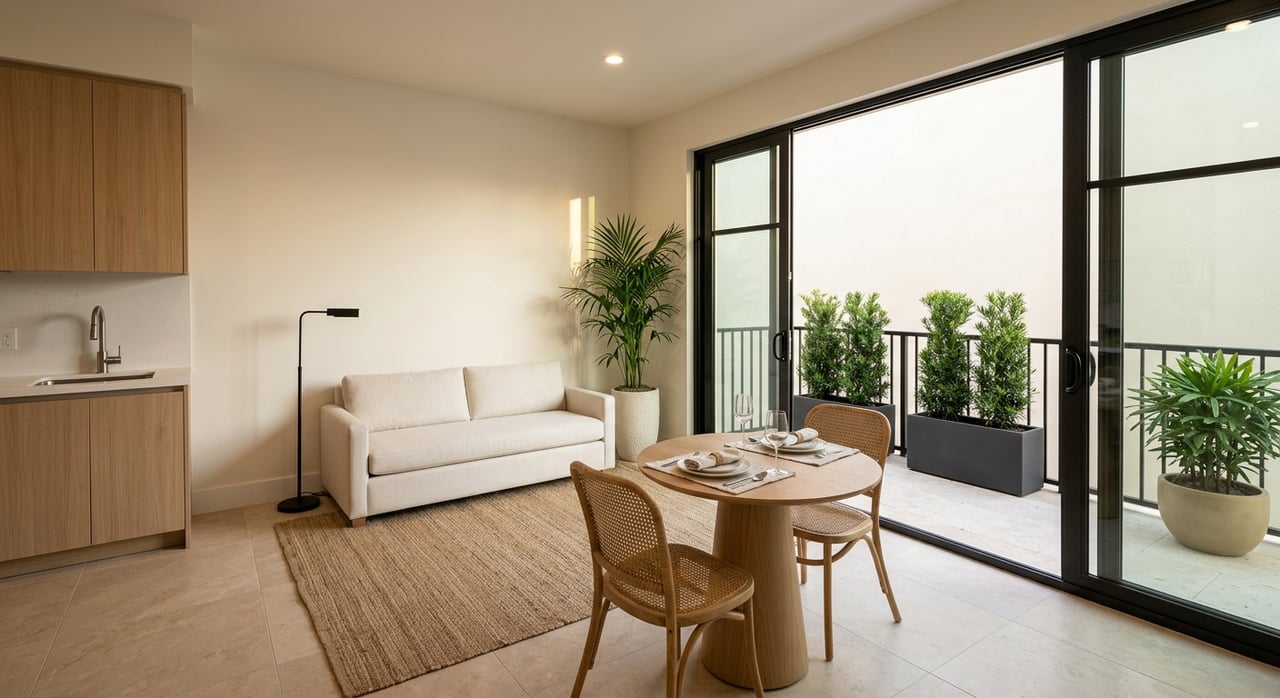
- Condos often include amenities like a pool, fitness room, security, and on-site management. This appeals if you want a low-maintenance, lock-and-leave lifestyle, especially near the beach.
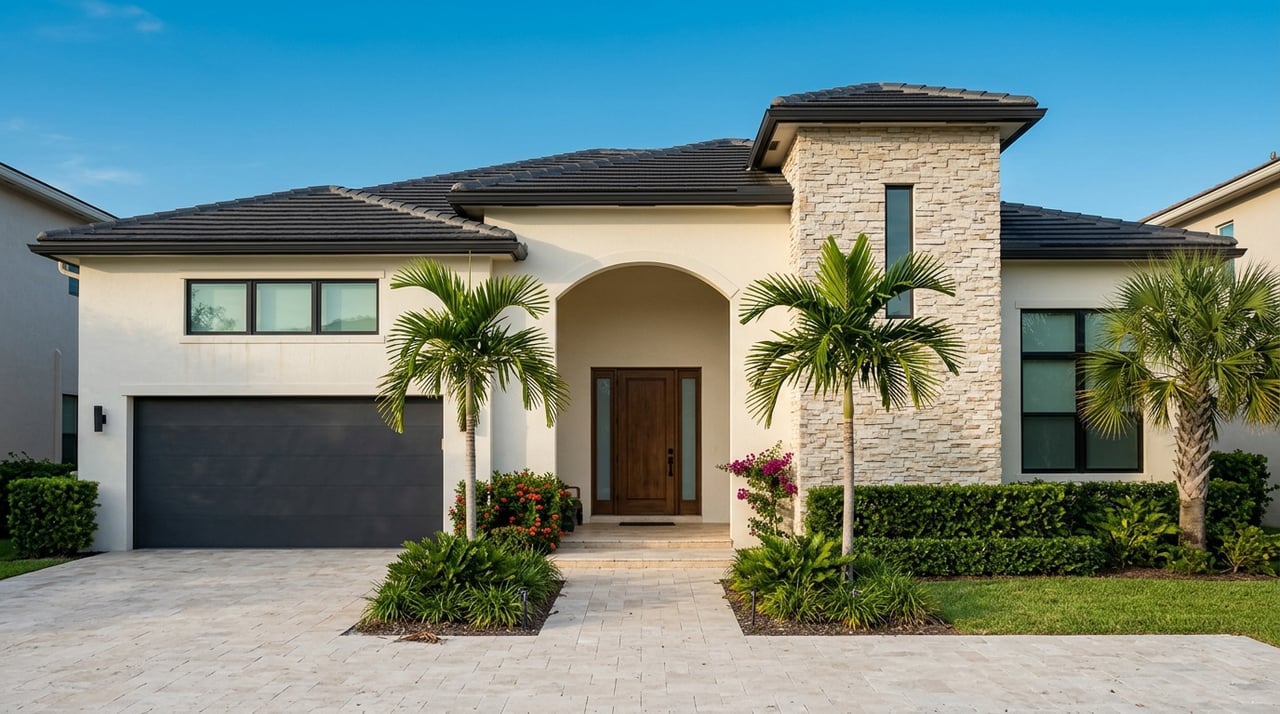
- Single-family homes offer privacy, a yard, storage, and parking. You usually have more flexibility to renovate or add features over time.
Rules and use restrictions
- Condominiums come with association rules. Expect pet limits, guest rules, and minimum lease periods that may be stricter than city rules. Many buildings set rental minimums such as 30 to 90 days. Always review the building’s bylaws, rules, and rental policy before you write an offer.
Monthly costs to compare
HOA and condo dues
Dues vary widely based on building age, size, location, amenities, insurance, and reserves. In Clearwater Beach high-amenity buildings, dues can exceed $2,000 per month. Inland or older buildings with fewer amenities often run lower. Always confirm exactly what dues include, such as master insurance, water and sewer, cable or internet, reserves, and security.
Property taxes
Your tax bill depends on the property’s assessed value and the mix of city, county, school, and special district millage. Island and beach properties often carry higher assessed values than inland homes. For accurate estimates, use the Pinellas County Property Appraiser’s parcel lookup and tax estimator for the exact address.
Insurance basics
- Single-family: You buy a homeowners policy that covers the dwelling, contents, liability, and loss of use. In coastal Pinellas, plan for higher wind and hurricane deductibles.
- Condo units: The association’s master policy insures the building shell and common areas. You buy an HO-6 policy that covers your unit interior, personal property, liability, and a recommended “loss assessment” rider. This rider helps if the association passes along part of a large deductible or uninsured loss. For flood, the association may carry a flood master policy for the building. You may still need a unit-level flood policy depending on coverage and lender requirements.
Special assessments and reserves
Florida now requires structural integrity reserve studies for many multistory buildings, along with milestone inspections. These rules increased transparency and have led some associations to raise dues or levy special assessments to fund needed repairs. Ask for the latest reserve study, inspection reports, and details on any planned assessments.
Closing and association fees
Budget for one-time association-related fees. Florida law allows associations to charge certain amounts for estoppel certificates and resale documents, subject to statutory limits. Confirm amounts and turnaround times before you submit an offer.
Rules, lending, and risk checks
Required condo disclosures in Florida
Before you buy, you have the right to review a set of core documents. Florida statutes outline required materials for prospective purchasers, including the question-and-answer sheet, declaration, bylaws, current budget and financials, and any recent inspection or reserve study that applies. Read them closely and build in time to review.
Lender eligibility and warrantability
Many lenders follow Fannie Mae and Freddie Mac rules for condo project eligibility. They look at owner-occupancy levels, reserves, delinquency rates, commercial space, and whether any critical repairs or unsafe conditions are outstanding. If a building is non-warrantable, you may still buy, but you could need a larger down payment or a special loan product. Ask your lender to check project status early in your search.
Building age and inspection status
For buildings that fall under Florida’s post-Surfside rules, request recent milestone inspection results and the structural integrity reserve study if applicable. If a building has open safety findings or large unfunded repairs, financing and insurance can be harder and costlier. This is a key part of due diligence.
Flood and insurance factors
Check the FEMA flood zone and base flood elevation for every Clearwater address you consider. If a property is in an AE or VE zone, lenders generally require flood insurance for a mortgage. Ask the seller for any elevation certificate and share it with your insurance agent to improve quote accuracy. For condos, learn how the association’s flood policy works and confirm whether you need a supplemental unit policy.
Short-term rental realities
Clearwater’s residential zoning does not allow short-term rentals under one month in most residential districts. Even where the city allows longer leases, a condo association may require a minimum lease term and limit the number of leases per year. If rental income matters, you must check both the local rules and the building rules for the specific address.
Buyer checklist for Clearwater
Use this step-by-step list to compare condos and single-family homes.
- Confirm monthly carry costs early
- Add up HOA or condo dues, estimated property taxes, and insurance for the property type. Use the Pinellas County Property Appraiser’s tools for tax estimates and ask an insurance agent for ballpark quotes.
- Request and review condo documents before offer
- Ask for the full resale package that Florida law requires, including the question-and-answer sheet, declaration and bylaws, current budget and financials, and any recent inspection or reserve study. Write your offer with a clear condo-documents review contingency.
- Verify lending and building status during due diligence
- Have your lender confirm Fannie Mae or Freddie Mac eligibility for the building. If you see references to major repairs or assessments in board minutes or reserve studies, consider an independent engineer’s opinion.
- Confirm flood and elevation details
- Pull the FEMA flood map for the exact address. If the property is in a higher-risk zone, get an elevation certificate and a flood quote early so there are no surprises later.
- Clarify fees and assessments before closing
- Get written confirmation of any estoppel amounts, transfer and application fees, and how any special assessments will be handled at closing. Make sure lender conditions are satisfied in writing.
Which is right for you?
Choose a condo if you value convenience, on-site amenities, and a lower-maintenance lifestyle near the beach or downtown. Your main tradeoffs are association rules, dues, and exposure to special assessments as buildings update reserves and tackle capital projects.
Choose a single-family home if you want more privacy, outdoor space, and control over improvements. Your tradeoffs are more responsibility for maintenance and potentially higher individual insurance costs, especially for coastal or older homes.
Either way, match your decision to your budget, time, and risk tolerance. In Clearwater, condos on Clearwater Beach usually command a premium, while mainland options in areas like Countryside or near downtown may stretch your dollar further. The right local guidance and a careful document review help you buy with confidence.
If you want help sorting through dues, reserves, flood zones, and real financing options, connect with a trusted local advisor. Reach out to Bill Watanabe to compare your top Clearwater picks side by side and move forward with clarity.
FAQs
What costs do Clearwater condo dues usually cover?
- Dues often include the building’s master insurance, reserves, maintenance of common areas, water and sewer, and sometimes cable or internet. Always request a dues breakdown and the current budget.
How do Florida condo special assessments work for owners?
- Associations can levy assessments to fund repairs or increase reserves. Florida’s condo statute requires more robust reserve planning for many buildings, so ask for the latest reserve study and any planned assessments.
What is a warrantable condo and why does it matter?
- A warrantable condo meets Fannie Mae and Freddie Mac project standards, which keeps more loan options and competitive rates open. Non-warrantable buildings may require larger down payments or specialized financing.
How does a FEMA flood zone affect my mortgage in Clearwater?
- If the home or condo is in an AE or VE zone, your lender will usually require flood insurance. Confirm the flood zone for the exact address and get a quote early in the process.
Can I use a Clearwater condo for short-term rentals?
- In most Clearwater residential zones, rentals under one month are not allowed, and many condos add their own minimum lease terms. Check both the city rules and the building’s rental policy for the exact address.
Which documents should I review before buying a condo?
- Request the question-and-answer sheet, declaration and bylaws, current budget and financials, board meeting minutes, master insurance declarations, recent inspection or reserve studies, and details on any pending assessments.
How do Clearwater property taxes differ between beach and mainland areas?
- Beach properties often have higher assessed values, which can mean larger tax bills. Use the Pinellas County Property Appraiser to estimate taxes for each address you are considering.
Links and resources mentioned:
- For county trend context on inventory and pricing, review a Pinellas summary on a local market reporting site like PropertyFocus: Pinellas market trends overview
- Estimate parcel-level taxes: Pinellas County Property Appraiser
- Understand condo insurance and loss assessment coverage: Condo and HOA insurance basics
- Florida condo governance and reserve requirements: Florida Statutes, Chapter 718
- Estoppel fees and resale documents: Florida Statute 718.116
- Required disclosure package for condo buyers: Florida Statute 718.503
- Condo project eligibility rules: Fannie Mae condo eligibility
- Flood zone lookups: FEMA Flood Map Service Center
- How condo flood master policies work: RCBAP explained
- City rules for residential rentals and related zoning context: City of Clearwater planning page