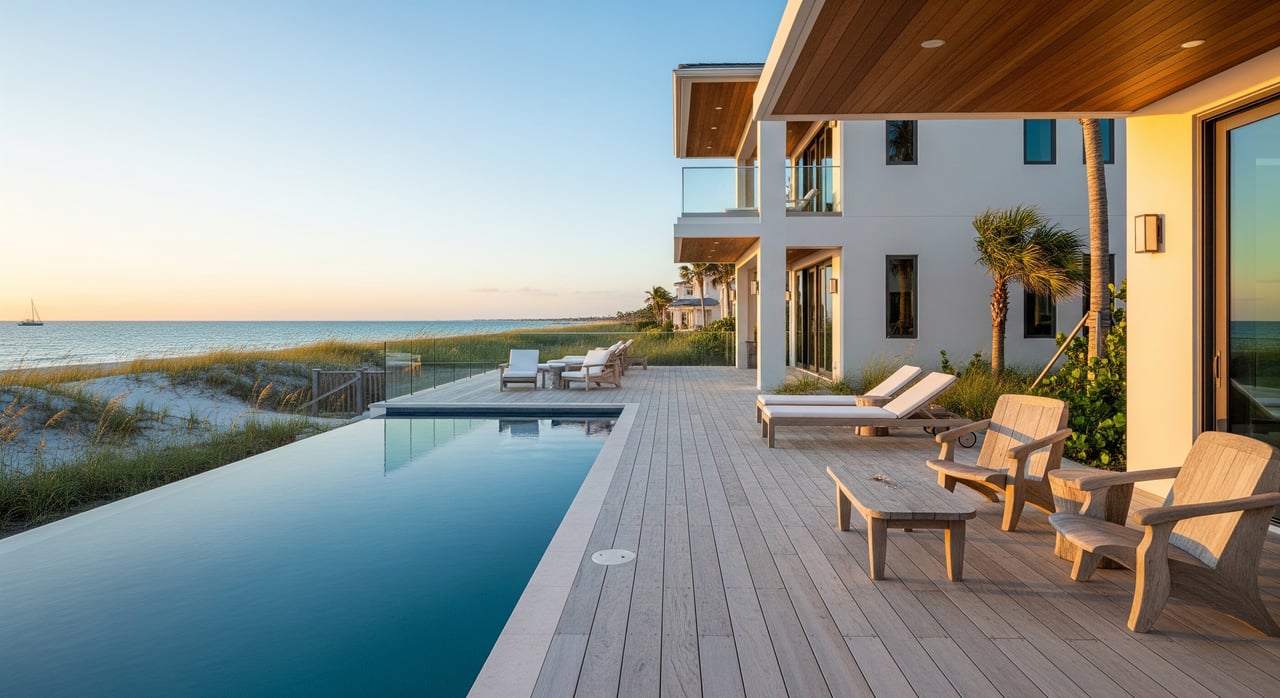
Do you picture your mornings starting with a quiet beach walk and ending with a Gulf sunset? If so, Madeira Beach may fit the life you’re after. This small barrier-island city blends a laid-back beach vibe with a busy waterfront hub at John’s Pass, plus easy access to the rest of Pinellas County. In this guide, you’ll see how daily life really feels, what housing options look like, and the tradeoffs to consider before you make a move. Let’s dive in.
Where Madeira Beach sits
Madeira Beach is a compact Gulf-coast city on the Pinellas barrier islands. The population is well under 5,000, which helps keep a small-town feel in many pockets. You’ll see a mix of year-round residents, retirees, seasonal “snowbirds,” and short-term visitors.
The climate is humid subtropical. Expect hot, humid summers with highs in the upper 80s to low 90s, and mild winters with highs in the 60s and 70s. The rainy season runs roughly June through September. Hurricane season runs June 1 through November 30, so storm preparedness and evacuation awareness are part of coastal living.
Regionally, you can reach St. Petersburg, Clearwater, and Tampa Bay’s airports and job centers within a typical 20 to 45 minute drive, depending on time of day and traffic.
Everyday life on the island
Beaches and John’s Pass
The beach is your daily amenity. You can slip out for a swim, collect shells, or head to the sand at sunset. John’s Pass Village & Boardwalk is the lively waterfront commercial area, with shops, casual restaurants, fishing charters, and boat rentals. It is also the town’s busiest spot, especially in peak season.
Boating and fishing
If you’re a boater or angler, Madeira Beach is a natural fit. Marinas, dolphin tours, parasailing, jet ski rentals, and both inshore and offshore fishing charters are part of the local scene. Private boat ownership is common. Keep in mind the ongoing costs that come with boating, like slip fees, fuel, and maintenance.
Dining and nightlife
You’ll find a seafood-forward dining scene, waterfront grills, coffee shops, and neighborhood bars. Nightlife leans casual. Think sunset happy hours and live music over nightclubs. Most late activity clusters near John’s Pass, while residential streets stay quieter.
Walkability and getting around
John’s Pass is the most walkable, tourist-friendly pocket. Outside that hub, you’ll see compact beachfront buildings and low-rise neighborhoods that are pleasant for walks, but many errands still require a car. Grocery runs, commuting, and specialized services typically mean heading off the island.
Parks and outdoor time
Beach days lead the way, supplemented by small neighborhood parks and lots of water-based recreation. A short drive opens up more regional options, including well-known destinations like Fort De Soto Park.
Housing options and costs
What you will find
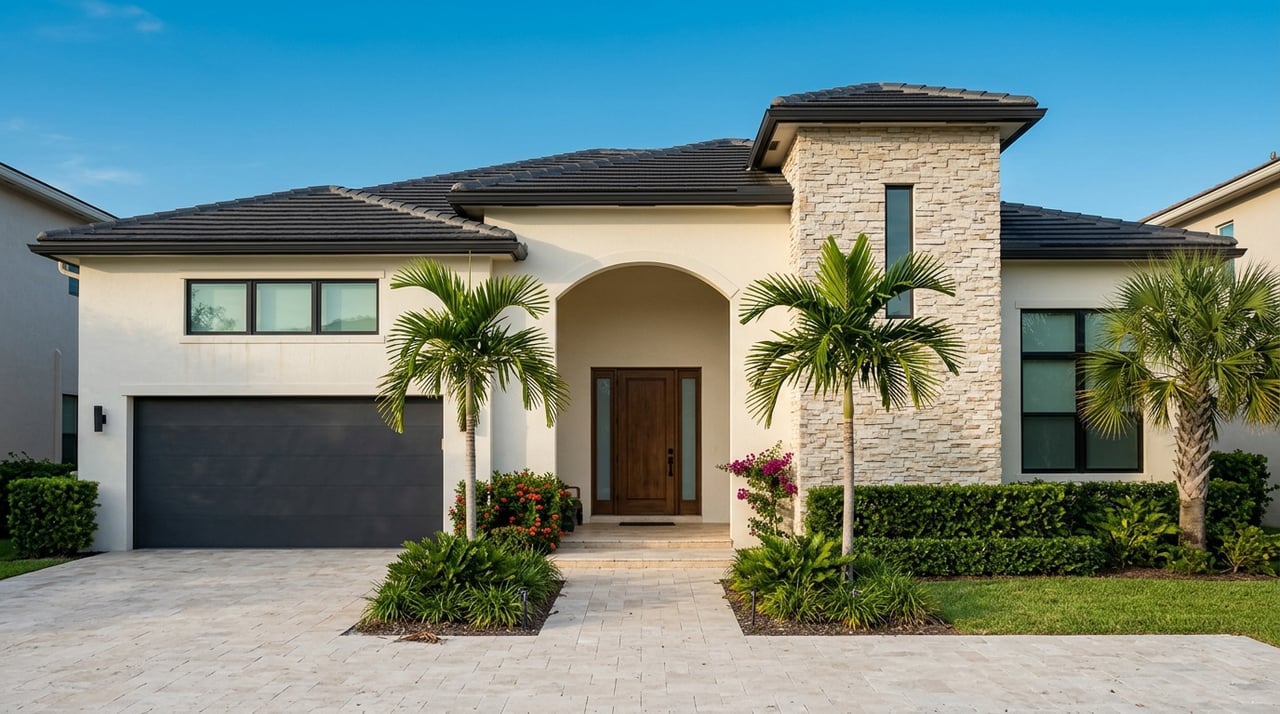
Madeira Beach offers a mix of beachfront and near-beach condominiums, mid-rise buildings, and single-family homes. Many houses are older bungalows or renovated properties. Waterfront condos are very common and shape much of the market’s character. Some properties are second homes or vacation rentals, which can affect neighborhood feel and the supply of long-term rentals.
Ownership costs to budget
You pay a coastal premium for proximity to the sand and Gulf views. Beyond the purchase price, plan for:
- HOA or condo fees. Waterfront buildings often have higher fees that cover amenities, building maintenance, and sometimes flood-related improvements.
- Property taxes. Pinellas County rates vary by property type and assessed value.
- Insurance. Budget for homeowners, flood, and wind coverage. Coastal properties often have higher premiums than inland homes.
Prices in beach pockets can be higher than inland Pinellas neighborhoods. Ranges shift with Florida’s broader real estate cycles, building condition, and view or waterfront frontage.
Rentals and short-term rentals
A robust vacation-rental market exists here. Many condos and homes operate as short-term rentals, which can push rents up and reduce long-term supply, especially near the beach. The city has licensing and rules for vacation rentals that can include inspections and registration. If rental income is part of your plan, confirm the current city code, building rules, and any minimum-stay requirements before you buy.
Insurance and flood risk
Flood risk and storm surge are real considerations on a barrier island. Many properties fall within FEMA flood zones that can require flood insurance if you carry a mortgage. Obtain quotes early in your purchase process and compare building-to-building, since elevation, construction, and claims history influence premiums. It is also wise to review the property’s elevation certificate and any seawall or marine infrastructure maintenance history.
Getting around and daily services
Traffic and transit
Most residents rely on a car. Gulf Boulevard is the main north-south corridor and gets busier during peak tourist season and on weekends. Public transit options include bus service along the beach corridor with connections to St. Petersburg and Clearwater, plus seasonal trolley-style services. Parking near beach access points and John’s Pass can be competitive. Expect a mix of metered and paid lots, along with private parking near businesses.
Schools and childcare
Madeira Beach is part of Pinellas County Schools. Because the city is small, some public schools that serve local addresses are located in nearby communities. Families often research assigned schools, program options, and commute times before they decide on a neighborhood. Childcare and private or charter school options are available in the broader Pinellas region.
Health care and safety
You’ll find primary care and urgent care clinics across the region. The nearest hospitals and specialty centers are in St. Petersburg and Clearwater, which are a short to moderate drive. For storm season, Pinellas County and the City of Madeira Beach provide hurricane preparedness resources. New residents should learn their evacuation zone and sign up for local alerts.
Internet and remote work
Internet options typically include cable and, in many areas of Pinellas County, fiber. Building-by-building availability varies. Many newer developments and condos have modern infrastructure, but verify speeds and service providers at a specific address. If you plan to work from home, review HOA rules and any restrictions that might affect rentals or home-based businesses.
Seasonal rhythm and tradeoffs
Madeira Beach has a clear seasonal pulse. Peak winter and spring months bring more visitors. That means busier restaurants, slower traffic along Gulf Boulevard, and tighter parking near John’s Pass and public beach access. Many residents plan errands around peak times, use bikes or walking for short trips, and embrace the quiet that returns in the shoulder and summer months.
If you’re deciding whether to move, it helps to visit during both high season and the off season. You’ll get a true feel for neighborhood noise, parking patterns, and evening activity levels.
Long-term outlook
Environmental factors
Like many Gulf communities, Madeira Beach faces beach erosion, storm surge exposure, and the long-term reality of sea-level rise. Beach nourishment and dune management projects are part of the regional strategy. Individual properties may benefit from elevation, seawalls, and building updates. Reviewing local plans and a property’s flood zone status can help you gauge long-term resilience.
Resale and investment notes
Waterfront and near-beach properties tend to attract steady buyer and renter interest. At the same time, insurance costs, storm events, and financing requirements can create periods of volatility. Buildings with strong reserves and proactive maintenance often stand out to buyers and lenders, which can affect marketability and future value.
Due diligence checklist
Before you make an offer, consider the following:
- Confirm the property’s current FEMA flood zone and obtain an elevation certificate if available.
- Get early quotes for homeowners, flood, and wind insurance, including building-specific insights.
- Review HOA or condo financials, reserves, and any upcoming special assessments.
- Ask for recent inspection reports, plus maintenance history for seawalls, docks, and roofs.
- Verify whether short-term rentals are allowed, and if so, the licensing steps and minimum-stay rules.
- Compare HOA fees and what they cover across similar buildings.
- Visit at different times of day and different seasons to assess noise, parking, and traffic.
Is Madeira Beach right for you?
You come to Madeira Beach for the Gulf-front lifestyle. The tradeoff is higher housing and ownership costs than many inland neighborhoods, plus a lively seasonal rhythm near John’s Pass. If you value the sand at your doorstep, boats close at hand, and a laid-back dining scene, the fit can be excellent. If commute convenience and year-round quiet are your priorities, you may lean toward nearby inland communities while still enjoying beach access.
If you want a clear, property-by-property view of costs, flood considerations, and rental rules, connect with a local advisor who works these streets daily. For calm, practical guidance on condos, single-family homes, and investment options throughout Pinellas County, reach out to Bill Watanabe.
FAQs
Is Madeira Beach a good place to raise a family?
- It depends on your priorities. You get a beach lifestyle and small-city feel, but schools are part of the larger Pinellas system and some are in nearby communities. Visit during peak and off season to gauge crowds and commute times.
Can you live in Madeira Beach without a car?
- Some errands are walkable near John’s Pass, and there is bus and trolley-style service, but most residents rely on a car for groceries, commuting, and specialized services.
How does housing cost compare to inland Pinellas?
- Beachfront and near-beach properties carry a premium over many inland neighborhoods. Factor in HOA fees, insurance, and property taxes when comparing total cost of ownership.
What should I know about hurricanes and flooding?
- Hurricane season runs June through November. Many properties are in FEMA flood zones that can require flood insurance. Learn your evacuation zone, prepare a plan, and get insurance quotes early.
Are there year-round events and things to do?
- Yes. John’s Pass hosts seasonal festivals and markets, and the city organizes community events, with the most robust calendar typically in fall through spring.